Extending Surgical Instrument Lifespan: Cleaning, Decontamination, and Nitric Acid Passivation
Essential Best Practices for Central Sterile Services Departments (CSSD) and Hospital Autoclave Protocols
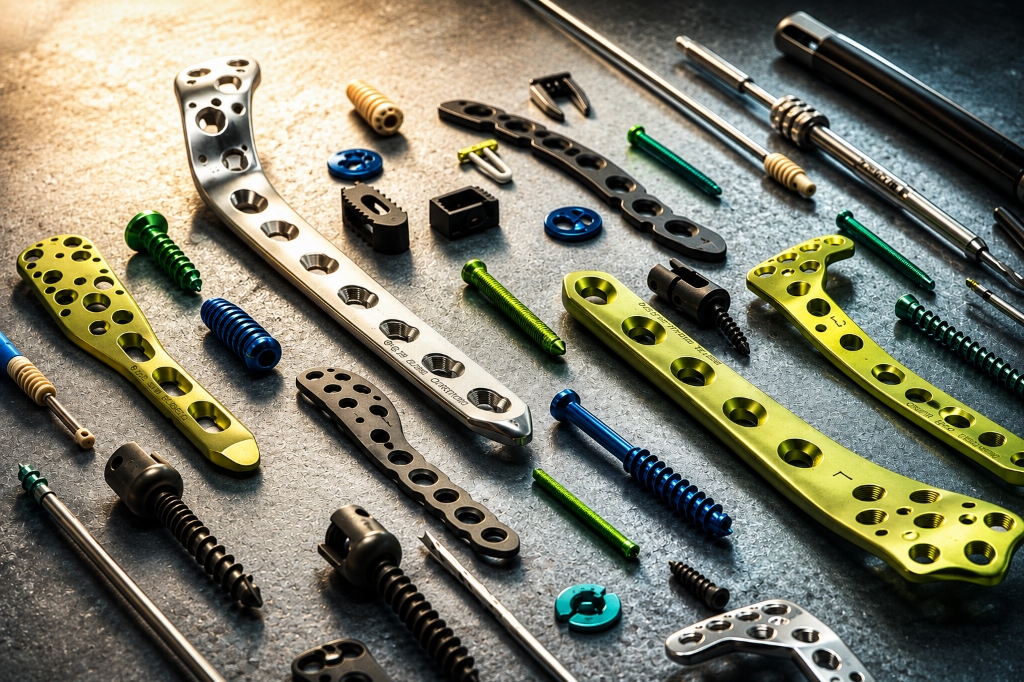
A surgical instrument manufactured from the finest German stainless steel can still develop staining or box-joint binding if subjected to improper post-operative cleaning or corrosive decontamination agents.
Immediate pre-cleaning prevents blood, saline, and bodily proteins from drying on serrations and box joints. Central Sterile Services Departments (CSSD) should utilize enzymatic, pH-neutral cleaners (pH 7.0–8.5) and avoid harsh chlorine bleach or saline immersion, which rapidly break down the protective chromium oxide layer.
Ultrasonic cleaning with cavitation at 40 kHz dislodges microscopic debris from intricate joints and ratchet mechanisms that manual scrubbing cannot reach. Following cleaning, non-silicone, water-soluble medical lubricants should be applied to all moving joints prior to steam autoclaving.
SubMedOrtho applies factory-grade ASTM A967 chemical passivation to all instruments before packaging, ensuring that your surgical inventory resists oxidation and maintains smooth articulation across thousands of operating room procedures.
All instruments mentioned in this technical paper are manufactured in accordance with strict dimensional blueprints, ASTM stainless steel standards, and batch hardness testing protocols in Sialkot, Pakistan.